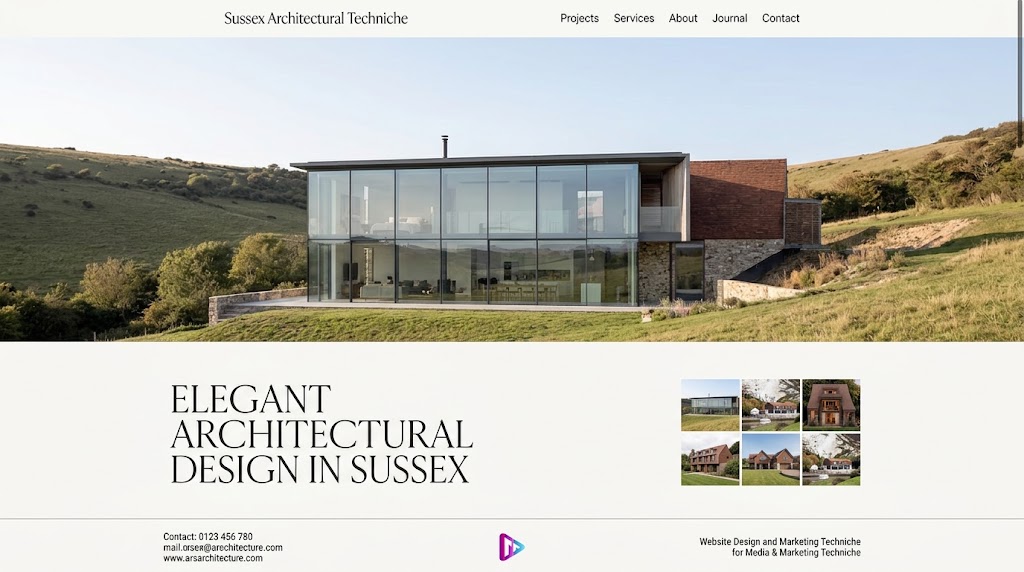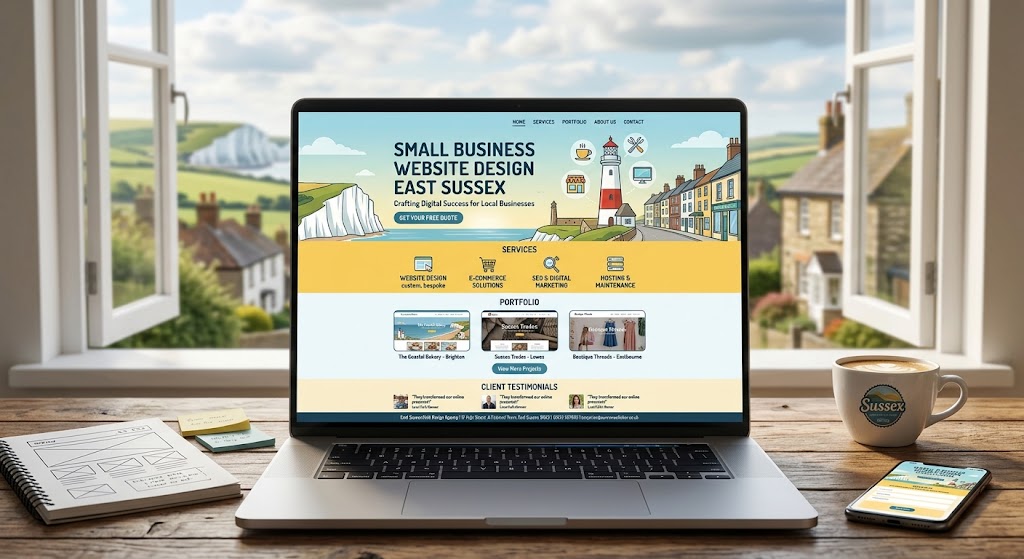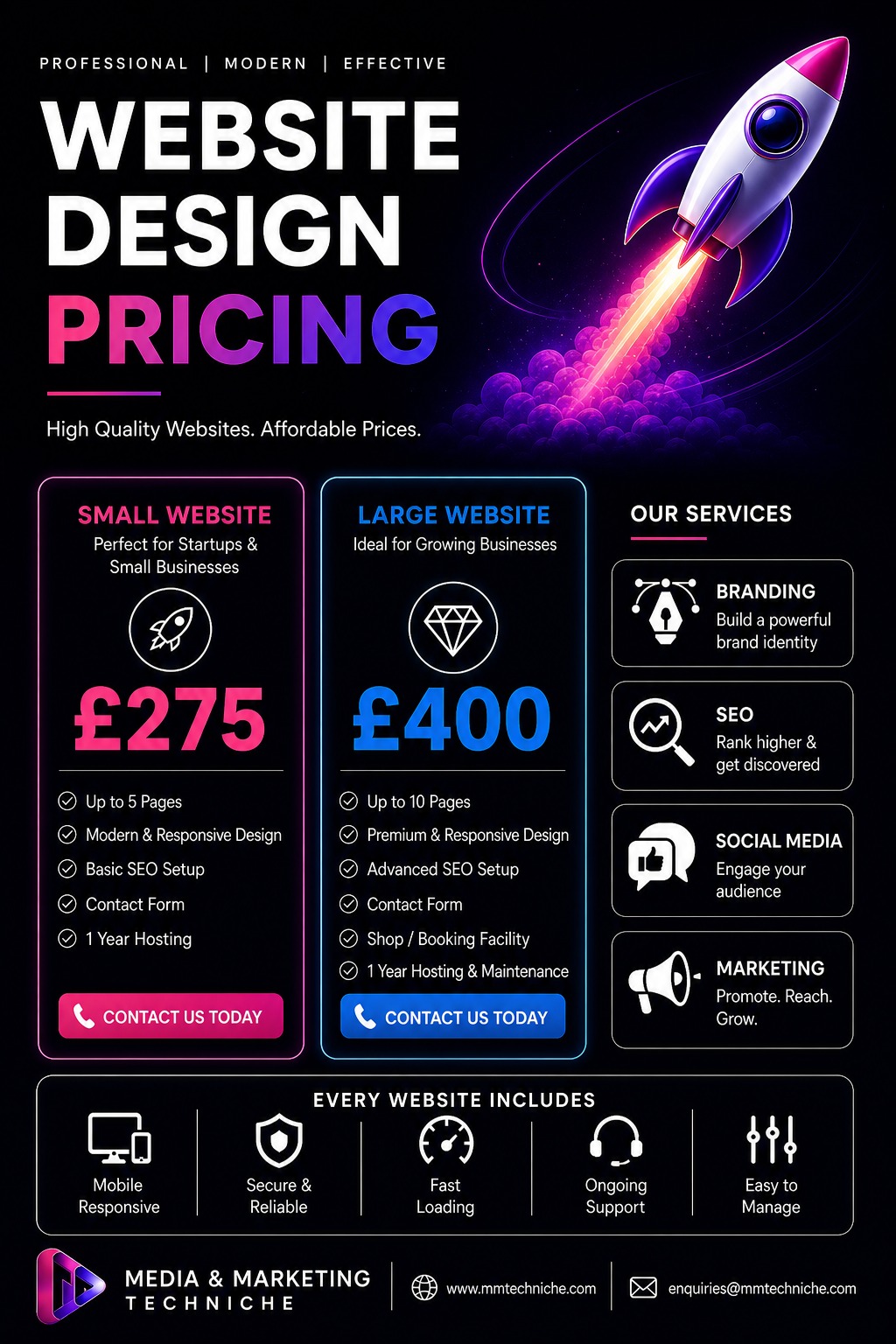

A small business website is one of the most valuable tools a business owner can have. It helps people discover your business, understand what you offer, and decide whether to get in touch. In many cases, your website is the first impression a potential customer gets, so it needs to be clear, professional, and easy to use.
For small businesses, a website is more than just an online brochure. It is a sales tool, a trust-building tool, and a way to compete with larger businesses on a more level playing field. When done well, it can help you attract more enquiries, improve visibility, and build long-term credibility.
Why a small business website matters
A well-designed website gives your business a home online. It allows customers to find you at any time, even outside normal business hours. It also gives you control over how your business is presented, which is especially important if you want to stand out in a crowded market.
For many customers, a business without a website can seem less established or less trustworthy. A professional site shows that you take your business seriously and are ready to serve your audience.
What a small business website should include
A strong small business website should be simple, useful, and focused on the needs of your audience. At a minimum, it should include:
A clear homepage that explains what you do.
An about page that builds trust.
A services page that explains your offers.
A contact page with easy ways to get in touch.
Mobile-friendly design.
Fast loading speed.
Clear calls to action.
SEO-friendly content.
These elements help make sure visitors can quickly understand your business and take the next step.
Common mistakes small businesses make
Many small business websites fail because they try to do too much or too little. Some are overloaded with text and unclear messaging, while others barely explain what the business offers. A website should guide visitors, not confuse them.
Other common mistakes include:
Not being mobile-friendly.
Having slow load times.
Using weak or generic wording.
Failing to include contact details.
Ignoring local SEO.
Not updating the site regularly.
Avoiding these issues can make a big difference in how well your website performs.
How small businesses can use SEO
Search engine optimisation is important for any small business website. It helps your site appear when people search for services you offer. Without SEO, even a well-designed website may struggle to attract traffic.
Good SEO starts with clear service pages, useful content, proper headings, and relevant keywords. For local businesses, it is also important to mention your service area naturally and build pages that match what people are actually searching for.
If you are building a website for a local company, it is worth looking at web design East Sussex as an example of how location-focused service pages can support visibility and lead generation.
Features that help small business websites perform better
A successful small business website should be built with both the customer and search engines in mind. Helpful features include:
Responsive design that works on all devices.
Fast page speed.
Clear navigation.
Strong headings and structure.
Professional visuals.
Local contact details.
Easy-to-use enquiry forms.
Testimonials or reviews.
These features improve user experience and help turn visitors into leads.
When to redesign a small business website
If your current site looks outdated, loads slowly, or no longer reflects your business properly, it may be time for a redesign. A website that worked a few years ago may no longer meet modern expectations.
You may need a redesign if:
Your site is not mobile-friendly.
Visitors leave quickly.
You are not getting enquiries.
The design looks old or inconsistent.
Your services have changed.
A redesign can help your business look more professional and perform better online.
Final thoughts
A small business website should do more than just exist. It should help people understand your business, build confidence in your services, and encourage them to contact you. Whether you are starting from scratch or improving an existing site, the right structure and content can make a major difference.
If you want your website to support growth, visibility, and trust, it is worth investing in a design that works properly from the start.